Cardiovascular
Cardiovascular


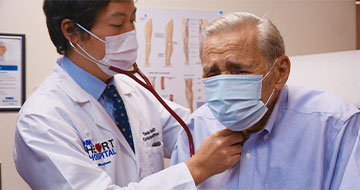

Endorsed for open-heart surgery? We perform coronary artery bypass grafting and other heart valve procedures.

Atrial Fibrillation (AFib) is a heart disorder which occurs when electrical signals in the heart become irregular.
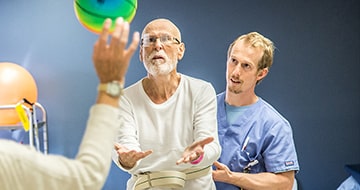
Our specialized cardiac rehabilitation program helps the recovery process for people who have heart surgery.
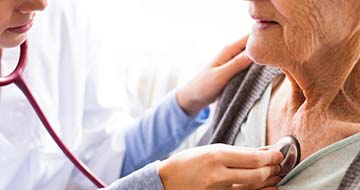
Our Structural Heart/Valve Clinic uses interventional technology to test, diagnose and help treat valve diseases.
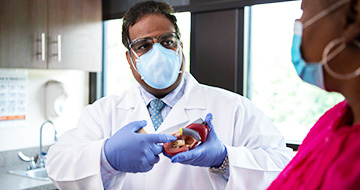
Minimally invasive, surgical and non-surgical options to diagnose and treat heart valve disease.
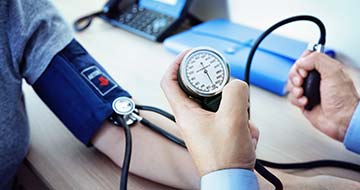
Our heart and vascular services include diagnostics, personalized treatment options and advanced heart procedures.
Cardiovascular Services


Heart Health Assessment
Find a Cardiologist
Location Results
for {{LookingWhereSearchResult}} within {{SelectedMiles}} miles
{{LocationsTitle}}

{{facility.distanceInMiles | milesInfo}} miles
{{facility.Title}}
- {{facility.Address.Street}}
- {{facility.Street2}}
- {{facility.Address.City}}, {{facility.Address.StateCode}} {{facility.Address.Zip}}
- {{facility.Phone}}
{{facility.distanceInMiles | milesInfo}} miles
{{facility.Title}}
- {{facility.Address.Street}}
- {{facility.Street2}}
- {{facility.Address.City}}, {{facility.Address.StateCode}} {{facility.Address.Zip}}
- {{facility.Phone}}
{{facility.distanceInMiles | milesInfo}} miles
{{facility.Title}}
- {{facility.Address.Street}}
- {{facility.Street2}}
- {{facility.Address.City}}, {{facility.Address.StateCode}} {{facility.Address.Zip}}
- {{facility.Phone}}
{{facility.Title}}
{{facility.Address.Street}}, {{facility.Street2}}
{{facility.Address.City}}, {{facility.Address.StateCode}} {{facility.Address.Zip}}
Your search found no results. You may search again by adjusting your search criteria.